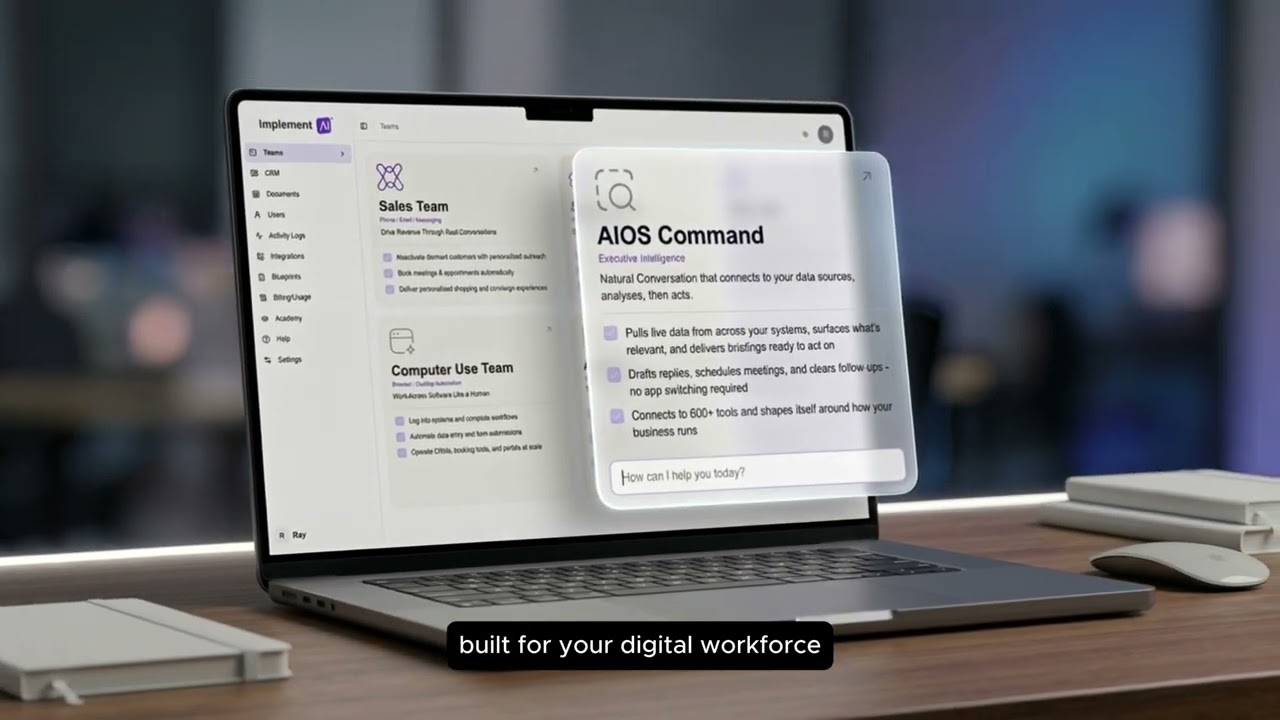

AIOS Command
AIOS Command
+
Figma
Figma
Integration available

Connect Figma
to AIOS Command

Your design files hold eighteen months of collaboration patterns nobody has ever measured. Command reads every file, every comment, every version history entry to surface where design is stalling and where handoffs are breaking.


Trusted by

Cyber Essentials
99.5% Uptime SLA
£2B+ Client Revenue Managed
UK-Based Servers

Command found these insights in a single Figma workspace within one hour

Design velocity

180 files tracked across 12 projects. Average review cycle: 4.2 days. Three projects consistently exceed 7 days with no feedback.

One team. One workspace. One hour.

Handoff gaps

23 designs marked "ready for dev" with unresolved comments. 8 components diverging from the design system. All invisible until now.

Shadow Notes read between the pixels.

Rework prevention

34% of design revisions stem from unclear specs. Command identifies the three handoff patterns causing the most rework before the next sprint starts.

First insights within 48 hours.
Watch: How AIOS Command works with Figma
How does AIOS Command work with Figma?
AIOS Command connects directly to your Figma workspace via secure API token. It analyses file activity, comment threads, version histories, and component usage across your entire design organisation. Command extracts design velocity metrics, identifies stalled reviews, flags design system drift, and surfaces handoff patterns that cause downstream rework. Insights update continuously, so when a file stalls in review or a component diverges from the system, Command alerts you immediately. No design files are copied to external servers - analysis happens in your workspace.
Welcome to the future of work
Your AI team is ready
1 integration connected · Figma synced
Morning
General
Morning Briefing
Canvas Review
Meeting Prep
Quick Wins
What would you like your digital workforce to do?

Ask Command about your Figma

What happens today

Every week your design lead opens Figma and scrolls through projects trying to figure out what is in review, what is blocked, and what shipped. Most weeks the answer lives in scattered comments and Slack threads. Handoffs break. Developers build from outdated frames.

You have 180 design files across 12 projects. You have no idea which reviews are stalled, which components have drifted from the design system, or which handoffs caused the most rework last quarter. Your design velocity lives only in Figma activity logs nobody reads.

Every week these patterns go unseen is another week of delivery risk hiding in plain sight.

1
Open Figma, scroll through projects trying to find stalled reviews
2
Check comment threads across multiple files for feedback
3
Chase stakeholders over Slack for design sign-off
4
Miss handoff gaps because nobody tracks them systematically
5
Design velocity never surfaces as a leadership metric

What Command sees in your Figma

Command does not just track files. It infers. It analyses your entire Figma workspace and extracts design velocity patterns, review bottlenecks, component drift, and handoff gap metrics that would take a design lead weeks to compile.

Shadow Notes surface what Figma dashboards miss. Design intelligence emerges from activity patterns. Your digital workforce knows which reviews need chasing, which components are diverging, and which projects are shipping on time.

Within 48 hours, Command builds a complete design health picture: 180 files tracked, 23 handoff gaps flagged, 8 component drifts identified, 3 bottleneck patterns surfaced.

Digital Twin Extracted
12+
projects tracked
180
files analysed
23
handoff gaps flagged
Real-time
design system monitoring

The two digital workers in Command

Insight Team

Watches your Figma data, surfaces what you are missing. Extracts patterns, identifies bottlenecks, and finds the intelligence your team needs.

Reads your entire Figma workspace activity in minutes
Identifies review bottlenecks across all projects
Tracks design system component usage and drift
Surfaces handoff gap patterns automatically
Generates shadow notes on stalled design reviews

Action Team

Acts on the insights. Drafts reports, flags risks, prepares alerts, and keeps your team moving.

Drafts design status reports from file activity data
Flags stalled reviews and unresolved comment threads
Alerts when components diverge from the design system
Prepares handoff checklists before dev sprints begin
Syncs design velocity metrics to your project management tool

Before and after Command

Before Command
Design reviews stall with no visibility
No tracking of handoff quality to development
Component drift discovered after builds ship
Design status reports written from memory
Stakeholder feedback scattered across comments
Rework caused by unclear specifications
Design velocity is unmeasured
After Command
Every review tracked with time-to-approval metrics
Handoff gaps flagged before development begins
Component drift detected and owners notified automatically
Status reports generated from real activity data
Feedback threads consolidated and tracked to resolution
Spec clarity scored, rework patterns identified early
Design velocity measured and trended weekly

What Command can do with your Figma

Design review tracking

Command tracks every review cycle and flags files stuck in feedback loops so your team can unblock them fast.

Component drift detection

Monitors design system usage across all files and alerts when components start diverging from the source of truth.

Handoff gap analysis

Identifies designs marked as complete but still carrying unresolved comments, missing specs, or outdated frames.

Project velocity reporting

Builds weekly design velocity reports from real Figma activity, not guesswork or manual status updates.

Common questions about Figma integration

Is my design data stored outside Figma?

No. Command analyses metadata - file activity, comments, version history, and component usage. It never copies your design files. Your work stays in Figma.

Can Command track design system compliance?

Yes. Command monitors component usage across all files and flags when instances diverge from the main design system library, helping you maintain consistency.

How long does it take to connect Figma?

Under two minutes. You generate a Figma API token, paste it into Command, and analysis begins immediately. First insights arrive within 48 hours.

Does this replace Figma analytics?

No. Command adds intelligence on top. It finds patterns that native analytics cannot show - like which review cycles predict rework, which handoffs break most often, and which projects are quietly stalling.

What about files in different Figma teams?

Command analyses all teams and projects within the scope of your API token. It aggregates insights across your entire design organisation.

Can I revoke access at any time?

Yes. Revoke the API token in your Figma settings and Command stops immediately. No cached data is retained after disconnection.

Does Command handle FigJam files too?

Yes. Command analyses both Figma design files and FigJam boards, giving you a complete picture of design collaboration activity.

Connect your Figma. See what's hiding.

Your design files know more than your standups. Command finds the velocity patterns hiding in 180 files, 23 handoff gaps, and 8 drifting components.

One-click OAuth. Live within 48 hours. No IT team required.

Command also connects with

Jira Jira Slack Slack Notion Notion Linear Linear Asana Asana Microsoft Outlook Microsoft Outlook