Datadog catches every error, every spike, every latency wobble. Your team watches the same three dashboards. Command watches them all, links incidents to customers, and drafts the update before CS gets a ticket.

Command found these insights in a single executive inbox within one hour
23 alerts this week triggered on services your top 10 customers use. Only 6 got a customer-facing update.
17 monitors have not fired a true positive in 90 days. 9 have fired 40+ false positives in the same period.
4 SLOs will breach their error budget inside 14 days if trends hold. Two are on revenue-critical services.
Your SRE opens Datadog, checks the two dashboards they trust, and closes it. The 40 monitors that have fired false positives all week are still there. The incident that touched your biggest customer is a red square nobody mapped to an account.
Observability tells you what broke. It does not tell you who felt it, who you should email, or which SLO you are about to burn through next week. Your team builds status pages and support rotas to close that gap by hand.
Every incident without a named customer impact is an incident CS finds out about in Monday's ticket queue instead of Friday's handover.
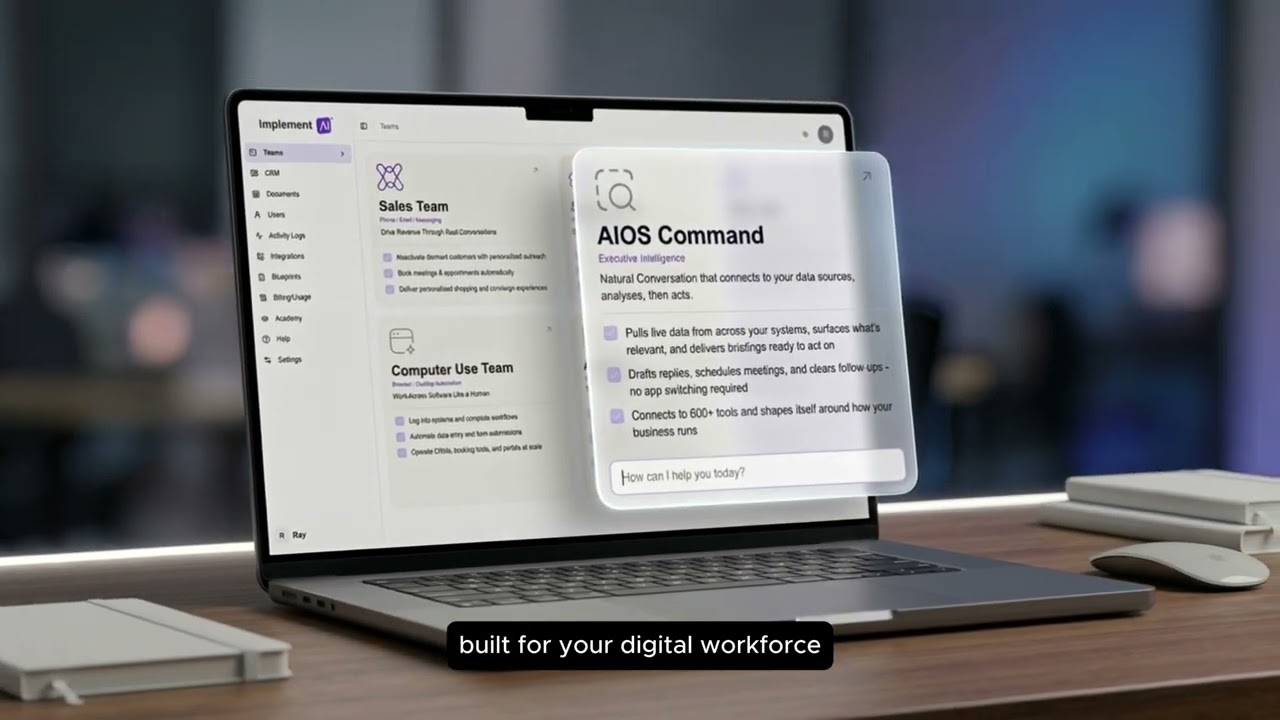
Command reads every monitor, every event, every SLO, every deploy. It separates the noise from the signal and links real incidents to the customers who are touching the affected services right now.
Shadow Notes explain each alert in plain English, ranked by customer impact. Digital twin drafts status-page updates, CS escalations, and engineering tickets in your team's voice. Silence the monitors that only ever cry wolf.
Within 48 hours, Command turns Datadog into an incident-to-communication engine. Customers hear about it from you first. SRE stops drowning in false positives. Every SLO burn comes with 14 days of warning.
Watches every monitor, event, and SLO. Separates signal from noise, links incidents to customers, forecasts error-budget burn.
Drafts status updates, CS escalations, and engineering tickets in your team's voice. Tunes noisy monitors, schedules postmortems, pushes alerts to the right owner.
Command ranks alerts by customer impact and service criticality, so the queue reflects business risk, not alert volume.
Shadow Notes map each alert to the customers actively using the affected service, so CS and sales get early heads-up.
Error-budget burn is projected two weeks ahead, so the team can act before the breach instead of apologising after.
Customer status updates, CS escalations, and engineering tickets are drafted in your team's voice the moment an incident lands.
Your logs, traces, and metrics remain in your Datadog account. Command reads them via the Datadog API and analyses in your workspace. Nothing is copied to external servers. Your data stays yours.
Yes. Command extracts your engineering and CS tone from your existing status-page history and incident channels. It builds a digital twin, so every draft reads like your team wrote it.
One click. You authorise Command via a scoped Datadog application key and read-only permissions. It begins reading monitors immediately. First insights within 48 hours.
No. Paging still lives in your paging tool. Command adds customer-impact mapping, SLO burn forecasting, and draft comms that paging alone does not produce.
Yes. Command reads APM, logs, synthetics, and RUM through the Datadog API, so all signals sit in one view ranked by impact.
Yes. Command uses scoped application keys. You can revoke access anytime in your Datadog organisation settings. Command stops working immediately.
Command proposes changes to noisy monitors but does not edit them without approval. All edits still happen inside Datadog under your existing permissions.
Your workspace runs thousands of monitors and 23 of them fired on customer-facing services this week. Command links each one to the customers who felt it and drafts the update.
One-click OAuth. Live within 48 hours. No IT team required.